

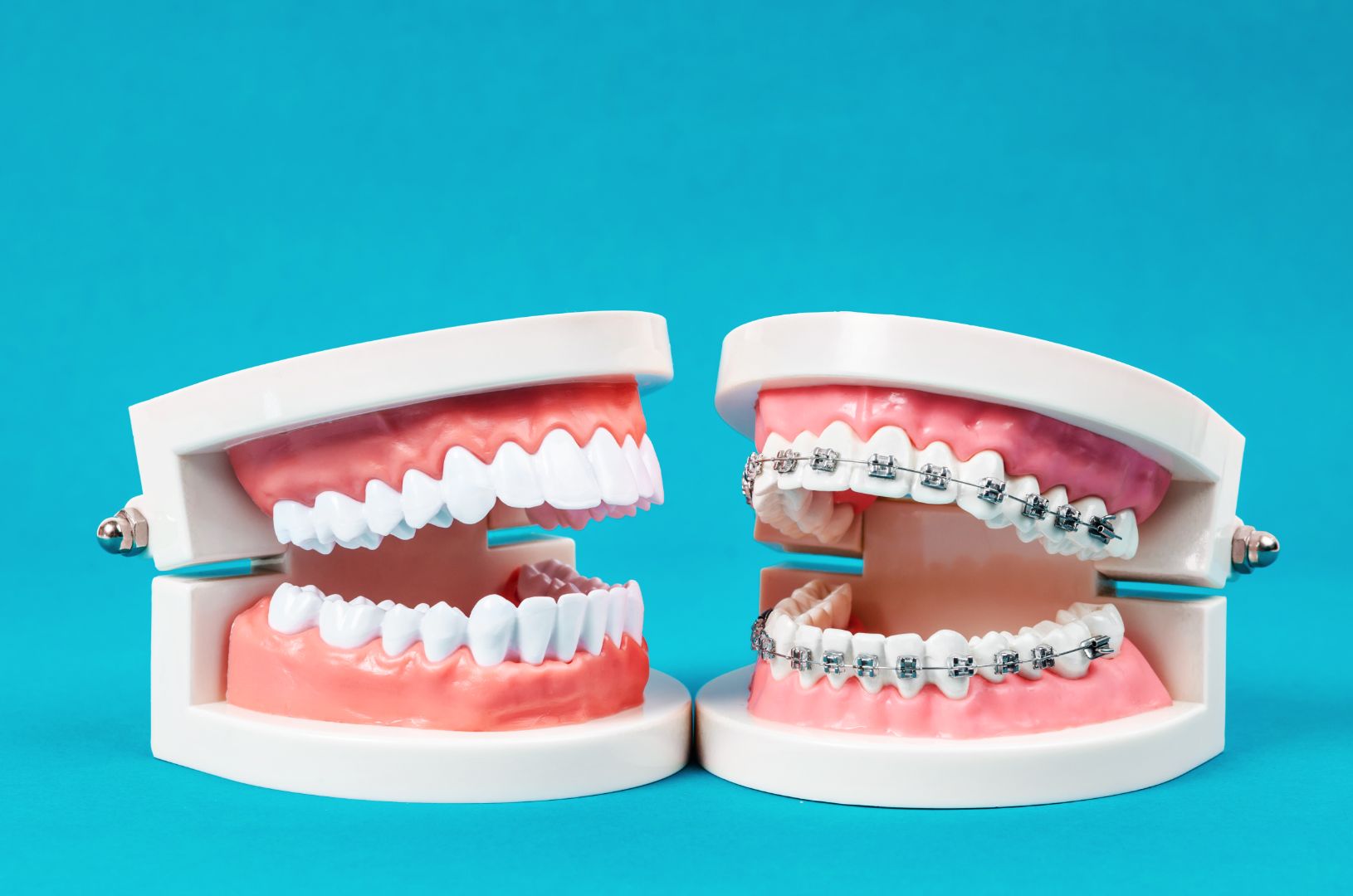
What Are the Different Types of Braces Available for Kids and Teens?
The best braces for kids and teenagers depend on age, dental needs, and daily lifestyle. The most common types include modern metal braces, ceramic braces, self-ligating braces, and clear aligners like Invisalign. Each type works differently, and the right choice varies based on your child's specific situation.
Choosing the right braces for your child can feel overwhelming with metal, ceramic, and clear aligner options all on the table. Some work better for active kids in sports, while others suit teens who want a low-profile look. Your orthodontist can help families find the right fit for every smile, with a Board Certified Orthodontist guiding each recommendation based on your child's unique needs.
Your child's age has a big impact on which option works best. Younger children may benefit from early interceptive treatment, while teenagers often need full orthodontic treatment to address fully developed dental concerns. The American Association of Orthodontists recommends scheduling a first evaluation by age 7. This early assessment allows your orthodontist to identify potential issues before they become more involved.
How Do Braces Work for Children and Teenagers?
Braces work by applying gentle, steady pressure to gradually move teeth into proper alignment. For children and teenagers, this process takes advantage of still-growing jaws and bone tissue, which respond more readily to orthodontic forces. Most treatment lasts between 12 and 24 months, depending on the complexity of the case.
As teeth shift, the surrounding bone remodels around the new positions. Your child's bone naturally adapts to these controlled forces over time. Some cases wrap up sooner. More involved situations? Those may take a bit longer. The actual duration depends on your child's specific needs, because every mouth is different.
Kids and teens often follow different treatment timelines. Younger children might start with Phase 1 (interceptive) treatment to guide jaw growth and create space for permanent teeth. That early work can make a real difference in long-term outcomes. Teenagers usually receive care that addresses the full picture of their smile, since most or all permanent teeth have come in by then.
Regular adjustment visits every 4 to 8 weeks keep everything on track. A Board Certified Orthodontist monitors progress and makes necessary modifications at each visit. Between those visits, teeth are steadily moving into better positions. After active treatment ends, retainers maintain those results for years to come. Families often find the process smoother than they expected once a routine is established.
Benefits of Getting Braces at a Young Age
Starting orthodontic treatment during childhood or adolescence offers real advantages. Growing jaws are more adaptable, making it easier to guide teeth and correct bite problems. This flexibility often means shorter treatment times and better outcomes.
How Does Early Treatment Shorten Overall Time?
Early intervention can prevent more involved procedures down the road. Addressing crowding, spacing, or jaw alignment issues now may eliminate the need for tooth extractions or surgery later. While a child is still growing, bone responds more readily to treatment, and that responsiveness often translates to fewer months in braces overall.
Key benefits include:
- Easier oral hygiene. Straight teeth are simpler to brush and floss, reducing cavity and gum disease risk.
- A great smile supports self-esteem during those formative school years, and families notice the difference quickly.
- Better function means improved speech, chewing, and overall jaw comfort.
- Correcting bite issues early protects teeth from uneven wear over time, saving families from bigger fixes later.
- Lasting results. Treating problems while growth is still happening creates more stable outcomes that hold up well into adulthood.
Why Does Confidence Matter During Adolescence?
The teenage years shape how kids see themselves. A smile they feel good about can change the way they interact with friends, participate in class, and carry themselves through daily life. Families often notice their children become more outgoing after starting treatment. There's something powerful about feeling good about your smile, and that confidence carries forward.
Comparing Braces Options: Metal Braces vs. Ceramic Braces vs. Invisalign for Teens
Finding the right braces type means weighing durability, appearance, lifestyle factors, and treatment complexity. Here's how the most popular choices compare for families considering orthodontic care:
| Feature | Metal Braces | Ceramic Braces | Invisalign Teen |
|---|---|---|---|
| Visibility | Most noticeable | Tooth-colored, subtler | Nearly invisible |
| Durability | Extremely durable | Slightly more fragile | Requires careful handling |
| Best for | Complex cases, all ages | Teens wanting discretion | Mild-to-moderate cases |
| Removable | No | No | Yes |
| Maintenance | Standard brushing around brackets | Extra care to prevent staining | Remove for eating and cleaning |
| Adjustment frequency | Every 4-8 weeks | Every 4-8 weeks | New aligners every 1-2 weeks |
Metal braces remain the most popular and proven choice for good reason. They handle complex cases effectively, hold up to active lifestyles, and typically cost less than other choices. Many kids embrace colored bands as a fun way to express themselves.
Ceramic braces offer the same effectiveness with a more subtle appearance. The tooth-colored brackets blend in naturally, making them a strong fit for image-conscious teens who need bracket-and-wire treatment.
Invisalign Teen uses removable clear aligners that are virtually invisible when worn. An orthodontist with extensive Invisalign experience can create great results with this system. Success depends heavily on wearing aligners 20 to 22 hours daily. Teens who commit to that responsibility often love the flexibility of removing aligners for meals, sports, and special occasions.
Self-ligating braces use specialized brackets that hold the wire without elastic ties. This design can mean fewer adjustment visits and potentially shorter treatment times. They're worth asking about if your teen wants a lower-maintenance bracket option.
The best choice depends on your teen's specific case, maturity level, and daily activities. A consultation with your orthodontist helps the team recommend the best fit for your family.
What Factors Affect the Cost of Braces for Kids and Teens?
The cost of braces for kids and teens depends on the type of braces chosen, case complexity, and treatment duration. Insurance coverage and flexible monthly payment plans also play a role. According to the American Association of Orthodontists, most families can expect to pay between $3,000 and $7,000 for orthodontic treatment, though costs vary by region and case. Knowing what drives cost helps you plan ahead.
How much do different braces types cost? Metal braces are usually the most affordable choice, while Invisalign and ceramic braces may cost more due to materials and technology involved. The gap between options isn't always as large as families expect, so it's worth getting specific numbers for your child's case.
Case complexity and treatment duration go hand in hand. Simple spacing issues require less time and fewer visits than severe crowding or bite problems, so a straightforward 12-month case costs less than one requiring 24 months of care. More involved cases naturally mean greater investment in both time and materials.
Good news for families: many dental insurance plans include orthodontic benefits for children under 18. Most orthodontic offices also offer monthly payment plans to fit your budget.
The most accurate way to understand costs? Schedule a consultation with your orthodontist. The team will evaluate your child's needs and provide a clear estimate with no surprises.
Is Your Child a Good Candidate for Braces?
You may notice signs that your child is ready for orthodontic care if they have crowded teeth, visible gaps, bite problems, or difficulty chewing. Children as young as 7 can benefit from an evaluation, while most teenagers between 11 and 14 are strong candidates for full treatment once enough permanent teeth have come in.
Wondering if your son or daughter could benefit from an evaluation? Here are common indicators orthodontists look for:
- Crowded or overlapping teeth
- Noticeable gaps between teeth
- Overbite, underbite, or crossbite
- Difficulty biting or chewing food
- Mouth breathing or speech difficulties
- Early or late loss of baby teeth
Children as young as 7 may benefit from interceptive treatment, especially for jaw-related concerns. Most teenagers between 11 and 14 are strong candidates for full treatment, since enough permanent teeth have erupted by that age.
Every child is different. A Board Certified Orthodontist who is a member of the American Association of Orthodontists and American Dental Association will personally assess each young patient to create treatment plans designed around your family's goals and lifestyle. Many orthodontic offices offer initial consultations, including virtual options for families who prefer an assessment from home. Don't hesitate to ask questions during that first visit, because understanding the plan upfront makes the whole process easier for everyone involved.
Frequently Asked Questions About Braces for Kids and Teenagers
What is the best age to get braces?
The American Association of Orthodontists (AAO) recommends a first orthodontic evaluation by age 7. Most full treatment begins between ages 9 and 14, once enough permanent teeth have come in. Early evaluations help identify issues that benefit from interceptive care. Others simply need monitoring until the right treatment window arrives.
Do braces hurt?
Most kids experience mild discomfort for a few days after getting braces and following adjustment visits. Over-the-counter pain relievers and soft foods usually help. The good news? Most kids have fully adapted within a week and barely notice their braces after that initial period.
How long does treatment take?
Treatment typically ranges from 12 to 24 months. Simple cases may finish sooner, while more involved alignment or bite issues require extra time. Your orthodontist will provide a realistic timeline during your initial consultation so your family knows what to expect.
Can my teen use Invisalign instead of metal braces?
Yes, Invisalign is a great fit for many teenagers with mild-to-moderate orthodontic concerns, though wearing aligners 20 to 22 hours daily is essential. Teens who show responsibility and commitment to the process often achieve excellent results with clear aligners. It's worth discussing with your orthodontist to see if your teen is a good candidate.
What foods should kids avoid with braces?
Hard foods like popcorn kernels, ice, and hard candy can damage brackets. Sticky treats like caramel and gummy candies pull at wires. Your orthodontic team will provide a full list of foods to enjoy and avoid when treatment begins, so families know exactly what to expect at mealtime.
How do I care for my child's braces?
Thorough brushing after every meal prevents food from getting trapped around brackets. Daily flossing with a floss threader or water flosser keeps gums healthy. Regular dental cleanings remain important throughout treatment. The orthodontic team teaches your child proper techniques at their first visit, and most kids pick up the routine quickly.
Choosing the right braces for your child is a big decision, and having the right information makes it easier. Your smile is unique — so is our approach. The right orthodontic team creates treatment plans designed around your family's goals and lifestyle, delivering personalized care you can trust.